
Short answer
Because blood is a protein stain, and heat makes proteins unfold, clump and grip the fibers. Extension guides warn that hot water cooks a protein stain into fabric and that heat sets stains. So on a mattress, the protein has to be lifted with cool water, and the spot checked, before any steam, iron or hair dryer comes near it. Severe or biohazard jobs are quoted before we start.
Key terms used on this page
- Protein stain:
- A stain whose main ingredient is protein, such as blood, vomit, feces, mucus or egg. Extension guides treat it with cold water first because heat makes the protein coagulate between the fibers.
- Protein denaturation:
- A change in a protein's folded shape caused by heat, pH or chemicals, without breaking its amino-acid sequence. In a stain, heat-denatured protein coagulates between the fibers, which is why extension guides warn that hot water cooks a protein stain into the fabric.
- Heat-set stain:
- A stain that has become harder to remove because heat fixed it in place. Kentucky Extension warns never to iron stained fabrics because heat sets stains, and Georgia Extension says stains set by heat will be difficult to remove.
- Fibrin clot:
- The mesh of fibrin protein that blood forms as it clots, which stabilizes the platelet plug. In a stain, it is part of what makes dried blood stiffer and harder to lift than fresh blood.
- Spot test:
- Trying a cleaning agent on a hidden area first and checking for color change or damage before treating the stain. Georgia Extension tells readers to always pretest each cleaning agent this way.
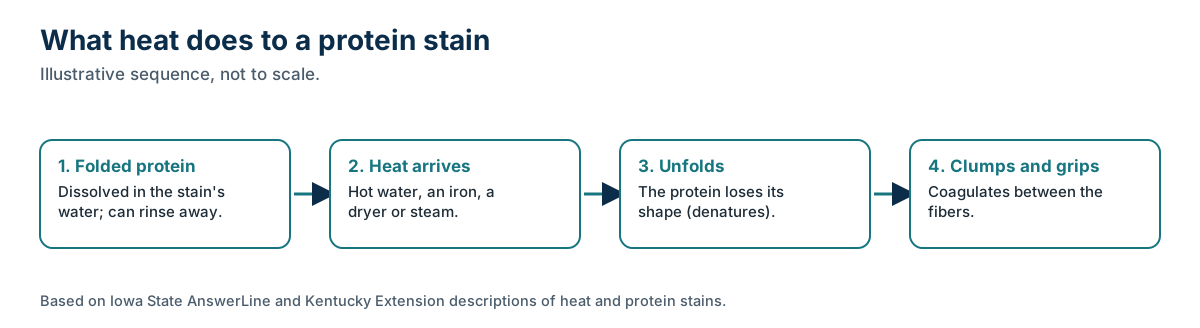
Heat can set a blood stain because blood is a protein stain, and protein reacts to heat by unfolding, clumping and locking onto the fibers around it. University extension guides say this plainly: hot water cooks a protein stain into fabric, and heat sets stains. On a mattress, that means any blood has to be lifted with cool water, and the area checked, before steam, an iron or a hair dryer comes near it.
General information about stain chemistry, not medical advice. For anything involving injury or illness, ask a doctor.
Why is blood a protein stain?
Stain guides sort stains by what they're made of. University of Kentucky Extension puts blood in its protein family, alongside vomit, feces, mucus and egg, and Iowa State's AnswerLine does the same. The red color comes from hemoglobin, which Bremmer and colleagues tracked as it oxidized in drying bloodstains. Blood also carries clotting proteins, and as it clots, StatPearls' coagulation chapter explains, fibrin forms a mesh that stabilizes the platelet plug. In a stain, that mesh is part of why blood stiffens as it dries.
So a blood spot isn't just a colored liquid. It's a protein solution that starts building structure the moment it leaves the body. The companion article on fresh and dried blood follows those changes over time. This one is about the single factor that speeds the worst of them up: heat.
What does heat do to a protein?
Proteins depend on their folded shape. OpenStax Biology explains that when a protein is exposed to changes in "temperature, pH, or exposure to chemicals," its structure may change, "losing its shape without losing its primary sequence in what scientists call denaturation." Sometimes that change can't be undone. The textbook's example is frying an egg: "The albumin protein in the liquid egg white denatures when placed in a hot pan." Blood proteins aren't egg white, but the egg is a fair picture of the kind of change heat causes.
In a fabric, the unfolded protein clumps in the spaces between fibers. Iowa State's AnswerLine describes it in its laundry article: if hot water is used first, "it cooks the protein, causing it to coagulate between the fibers in the yarns of the fabric." The protein is now physically wedged into the yarn rather than floating in water that could be blotted away. Kentucky Extension puts the rule in one line: "Never iron stained fabrics because heat sets stains." NMSU's guide and Texas A&M AgriLife both repeat "Heat sets stains."
Why is a mattress more at risk than a shirt?
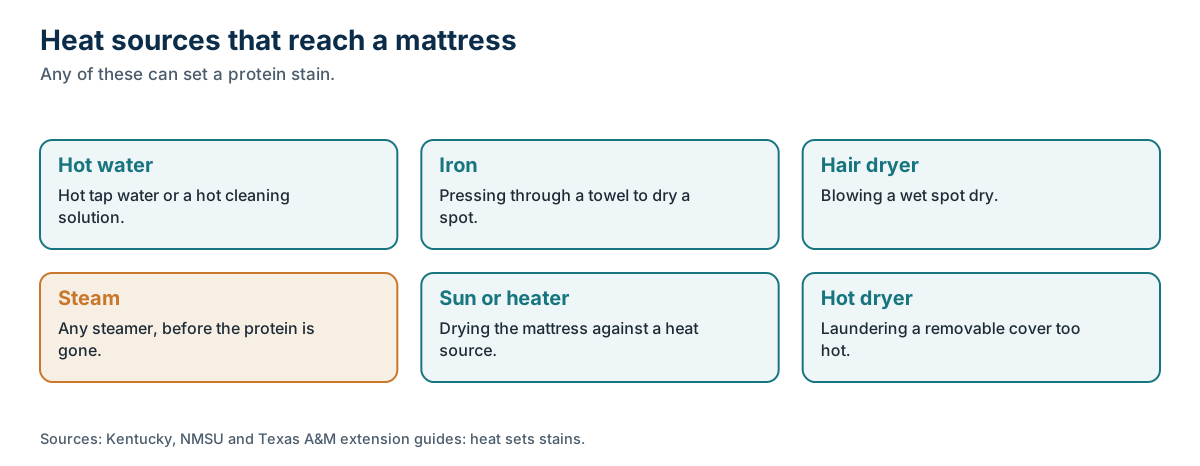
A shirt with a blood spot can be soaked in a sink of cold water for as long as it takes. A mattress can't. The guides' main tool, plenty of cool water and time, isn't available, because every drop that goes into a mattress has to come back out. That pushes people toward shortcuts, and most shortcuts involve heat.
- Drying the spot fast. A hair dryer or a space heater feels like the responsible move after dabbing a stain. It's heat on protein.
- Pressing it dry. An iron over a towel is a common trick for wicking moisture out. Kentucky's warning about irons applies directly.
- Steaming it. Steam is heat. If blood is still in the fibers, it meets the stain at exactly the wrong moment.
- Hot cleaning solution. A hot-water mix of detergent seems stronger. For protein, it's the opposite of what the guides advise.
There's a second difference. Mattress ticking is quilted over fiber and foam. Liquid that wicks below the surface sits where it can't be blotted, and heat applied to the top may still reach it. Hub 5 explains surface moisture versus saturation, and Hub 1 explains why heat and moisture are separate variables in any cleaning method.
What has to happen before steam?
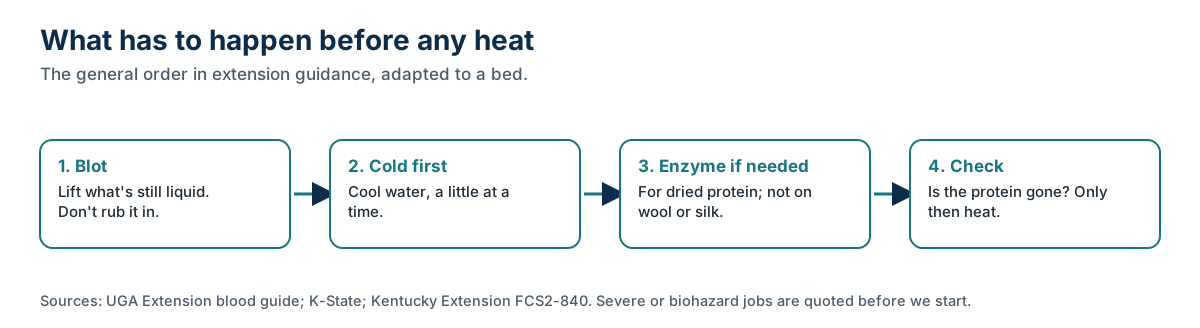
The extension guides agree on an order for protein stains, and it translates to a mattress with one adjustment: use far less water. Georgia Extension's blood guide says to "Treat immediately," to rinse fresh stains in cold running water, and, for upholstered furniture, to sponge or blot a wet stain with cold water first. Its cautions end: "Always use cool water when removing blood stains." For older stains, K-State suggests pretreating dried blood with a product containing enzymes, and Kentucky lists enzyme presoaks among its stain removers.
| Step | Why it comes here | Source |
|---|---|---|
| Blot what's still liquid | Less blood left to wick into the layers | UGA |
| Cool water, a little at a time | Lifts protein without cooking it | UGA, Iowa State |
| Enzyme product for dried blood, if the material allows | Breaks protein down; not for wool or silk | K-State, UKY |
| Pretest on a hidden spot | Checks colorfastness first | UGA |
| Check before any heat | Heat only after the protein is gone | UKY, NMSU |
The enzyme step needs a material check. Kentucky warns not to use enzyme presoaks on silk or wool "since enzymes digest protein," and wool is a protein fiber. The enzyme article explains which enzyme does what, and the compatibility hub's wool page covers that material. On memory foam, the question is mostly moisture; see the compatibility hub's memory foam page.
What about alcohol, salt and other home remedies?
Some remedies have a chemistry problem of their own. Texas A&M AgriLife notes that some stains, blood and vomit among them, "are set by alcohol." By that account, rubbing alcohol on fresh blood works against you, much as heat does. NMSU warns more broadly that "Old remedies such as applying milk to ink stains are unreliable" and can add a second stain. The safest home step is the dull one: cool water, a clean cloth, patience, and no heat.
Can a heat-set blood stain still come out?
Sometimes it can be lightened. Georgia Extension warns that "Set blood stains can be extremely difficult to remove," and Kentucky asks readers to "Be prepared to accept some failures." An enzyme product can sometimes break down protein that cold water alone won't move, but it can't undo every change heat made. Hydrogen peroxide is the other common tool for what's left, and it comes with a colorfastness risk on colored ticking. We don't give odds, because no source we found measures stain removal on mattresses.
Sleep Sanitation's view
This section is our view. Heat is the reason we look before we treat. For blood and other body fluids we stay with general chemistry on this site and don't publish a step-by-step process; each bed gets assessed, and severe or biohazard jobs are quoted before we start. We use "sanitize" in the cleaning sense of the CDC's cleaning and sanitizing terms and make no disinfection claim, and we can't promise any stain will come out. That approach is our own reasoning, not a manufacturer exemption; your care label and warranty terms govern, so check your warranty terms before you book. Prices are on the pricing page, or you can schedule a visit. The stain chemistry hub covers the other stain families.
What we don't know
- The temperature at which blood in mattress ticking starts to set. The guides give cool versus hot, not a threshold.
- How far a hair dryer or iron heats fiber and foam below the ticking. We found no measurement for mattresses.
- How much of a heat-set stain an enzyme product can reverse on a mattress, as opposed to a washable fabric.
Changelog
- 5 October 2026: First published. Sources accessed on this date.
Sources
- Remove Stains from Blood (accessed 2026-10-05) · University of Georgia Extension, Textiles
- Stain Removal for Washable Fabrics (FCS2-840) · University of Kentucky Cooperative Extension
- Spring Laundry Challenges (AnswerLine, 29 Jun 2015) · Iowa State University Extension and Outreach
- Holiday Stains (AnswerLine, 13 Dec 2022) · Iowa State University Extension and Outreach
- Stain Removal (accessed 2026-10-05) · K-State Research and Extension, Greenwood County
- Removing Clothing Stains (Guide C-502) · New Mexico State University Cooperative Extension
- Removing Stains From Washable Fabric (2025) · Texas A&M AgriLife Extension
- Physiology, Coagulation Pathways (Chaudhry, Killeen and Babiker, StatPearls) · PubMed / NCBI Bookshelf
- Biphasic Oxidation of Oxy-Hemoglobin in Bloodstains (Bremmer et al., PLOS One, 2011) · PLOS One
- Biology 2e, 3.4 Proteins (Denaturation and Protein Folding) · OpenStax (Rice University)
- Cleaning and disinfecting your school (definitions) · CDC
Last reviewed October 5, 2026. Manufacturer specifications and care instructions change; check the current version for your exact model. This page is general information, not medical advice. How we source and check pages: editorial standards.