
Short answer
Not automatically. Unwrap the bed, air it and inspect it first. Check seams and tags for bed bug signs, smell for a musty odor from damp storage, and look for soil from handling. If you find bug signs, call pest control. If it's musty through and through, consider replacing it. If there's soil or odor on a sound bed, cleaning makes sense.
Key terms used on this page
- Move-in inspection:
- Looking a mattress over after a move or a stay in storage: seams and tags for bed bug signs, the cover for soil, and the whole bed for a musty smell. Our checklist, drawn from CDC and EPA guidance.
- Bed bug signs:
- Physical evidence of bed bugs. EPA lists rusty or reddish stains, dark spots of excrement, eggs and eggshells, shed skins and live bugs, and says they hide near the piping, seams and tags of a mattress and box spring.
- Pest control first:
- The order to follow when bed bugs are suspected. CDC advises contacting a professional pest control company experienced with treating bed bugs. A cleaning visit comes after treatment, if at all, and is not a substitute for it.
- Contamination limit:
- The point where a mattress is better replaced than cleaned, such as mold through the layers or a core soaked again and again. EPA says absorbent or porous materials may have to be thrown away if they become moldy.
- Guest bed prep:
- Getting a little-used bed ready for visitors: looking for stains and odor, airing the room, cleaning early enough to dry, then fresh linens and a protector. Our planning guidance.
Not automatically, but always look. A move exposes a mattress to trucks, storage units, other people's furniture and changes in humidity. Whether it needs cleaning afterward depends on what you find. Unwrap it, let it air, and inspect it before anything else. Bed bug signs mean pest control first. A musty smell that won't fade after airing points toward replacement. Soil from handling, an odor or an old accident on a sound bed is a good reason to clean. A bed that comes out clean and dry may only need airing.
General information on moving and mattress care. It isn't pest-control or medical advice.
What a move can bring along
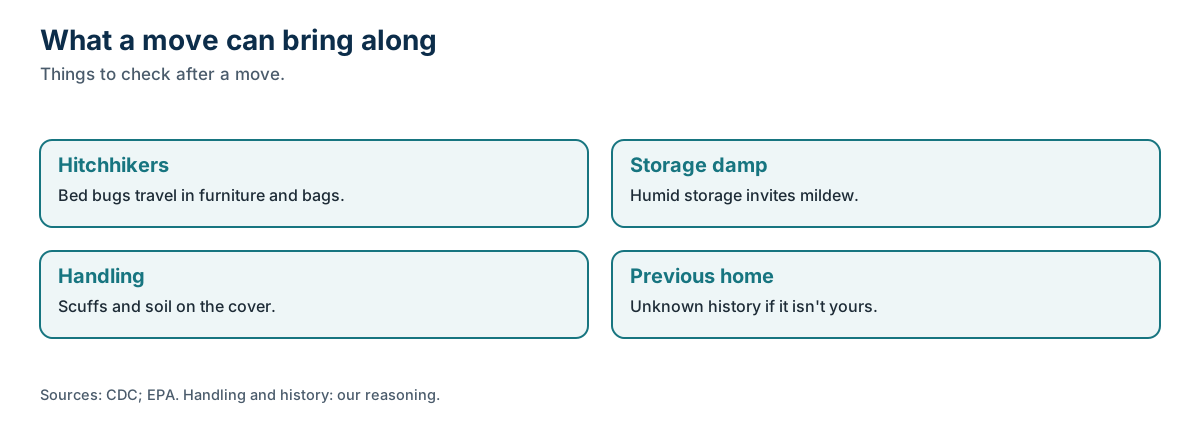
Hitchhikers. CDC's bed bug page says bed bugs can spread in "seams and folds of luggage" and furniture, and that travel and shared sleeping spaces raise the risk. Moving trucks and shared storage units put furniture from different homes close together.
Damp. A mattress stored in a damp unit, or wrapped while slightly wet, can pick up a musty smell. EPA's mold guide recommends keeping indoor humidity below 60 percent, and says porous materials "may have to be thrown away if they become moldy."
Handling. Mattresses get carried, propped and slid. Covers pick up dirt from floors, ramps and truck beds.
Someone else's history. If the move came with a mattress from a previous owner, or a bed left behind in a rental, treat it as used. See can a used mattress be sanitized?.
The order after a move
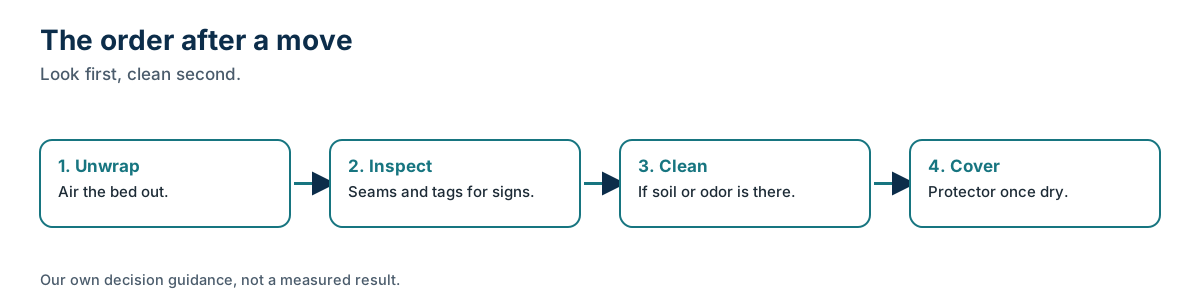
- Unwrap and air. Take off any plastic and let the bed breathe in a dry room. A smell from wrapping or the truck may fade within the day.
- Inspect. Use a flashlight on the seams, piping and tags. EPA's guide to finding bed bugs lists rusty or reddish stains, dark spots, eggs and eggshells, shed skins and live bugs as signs. Check the frame and headboard cracks too.
- Clean, if there's a reason. Soil, stains, an odor that doesn't fade, or an accident during the move.
- Cover once dry. A protector or encasement goes on after the bed is clean and fully dry.
The order matters. Cleaning before inspecting can hide signs you needed to see, and a cleaning visit isn't a bed bug treatment in any case. If you find signs, CDC says to "contact a professional pest control company experienced with treating bed bugs."
Before the move: protecting the bed
The easiest cleaning is the one you avoid. Before a move, make sure the mattress is dry, then cover it in a fitted mattress bag or a breathable cover. Keep it upright and off bare floors in the truck where you can, away from anything damp. If the move includes storage, choose a dry space and keep the bed off the ground on pallets or a platform. Label it, so it's the last thing loaded and the first unloaded rather than sitting on a loading dock. None of this is evidence-based in the sense of a study; it's practical handling advice that reduces the soil and moisture you'll find later.
Storage conditions that matter
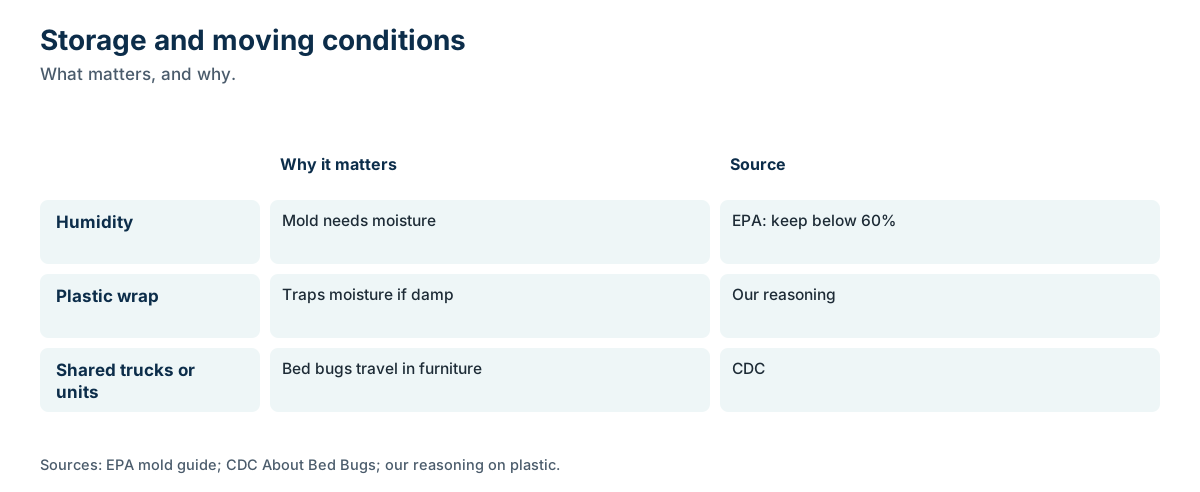
Humidity. This is the big one. EPA's mold guidance is about keeping moisture down: fix the water source, dry wet materials and keep humidity low. A climate-controlled unit helps. If you stored a bed for months in a unit without it, inspect for musty smells and spotting before you sleep on it.
Plastic. Our reasoning: plastic is a good barrier against dust and handling soil but a poor one if the bed went in damp, because it doesn't breathe and so holds moisture in. If a mattress was wet when wrapped, unwrap it as soon as you can.
Shared space. Shared trucks and units put your furniture near others'. That's the bed bug question again; inspect seams on arrival.
When a moved mattress is past saving
If you find growth, or a musty smell that stays after a few days of airing in a dry room, the bed has likely held moisture long enough for mold. EPA's remediation table notes upholstered furniture "May be difficult to completely dry within 48 hours." We'd replace a mattress with mold through its layers rather than clean it; see when is a mattress too contaminated to clean?. If the move damaged the bed, crushing coils or tearing the cover, that's a structural problem; see problems professional cleaning can't fix.
Box springs, frames and toppers
The mattress isn't the only thing that moved. EPA's guide says bed bugs can be found near the piping, seams and tags of the mattress and box spring, and in cracks on the bed frame and headboard, so inspect the whole bed, not only the mattress. A box spring has fabric over a frame and is harder to inspect inside; look along its seams and under the dust cover at the bottom. A topper should be unrolled and checked the same way. If one part shows signs and the rest doesn't, treat the whole set as suspect until a pest professional has looked.
Moving into a new place
A move-in is a practical time for a cleaning. The room is empty, the bed is accessible from all sides, and you're not sleeping on it yet. Leave drying time before you make the bed. Hub 1's how long a mattress should take to dry covers what to expect, and Hub 5 explains how quickly a treated mattress should dry. If you're setting up a guest room at the same time, see should you clean a guest-room mattress?.
How we'd handle a moved mattress
This section is our view. We'll ask how the bed was moved and stored, and whether you've checked the seams. Any sign of bed bugs means pest control first; we don't treat infestations. Otherwise the visit begins with a materials inspection that sets steam temperature and pass speed, and dry vapor goes over the surface and the seams, tufts, ridges and edges where dust and shed skin flakes collect. Our machines are Italian-made Vapor Clean units, the Magnum XP with a built-in vac, the ProV 350 and the Pro6 Duo. Organic cleaning methods are our default, with enzyme treatment for urine and organic odor. We believe, from experience, that we can treat any mattress or topper, and if a material reacts we adjust or stop. That's our own reasoning, not a manufacturer exemption; your care label and warranty terms still govern. "Sanitize" here means what Hub 2's CDC terms entry describes, a cleaning term, with no disinfection or health claim.
Once you've inspected the bed after the move, set up a visit. The first mattress is $249, or $199 under the limited-time Fall 2026 offer; the pricing page covers additional beds for a whole-house move.
Where to read next
The decision guide sets out the four tests, and this hub lists the rest. For a smell that lingers, read is the odor in the cover or the foam?. Hub 5's can mattress moisture lead to mildew or mold? explains the damp side.
What we don't know
- How long a mattress can sit in a damp unit before mold sets in. We found no study, and EPA's guidance is general.
- How frequently moves carry bed bugs. CDC names furniture as a route but gives no rate.
- Whether plastic wrapping helps or hurts on balance. That's our field view, not a measured finding.
- How much of a moving-truck smell fades on its own.
Changelog
- 3 October 2026: First published. Sources accessed on this date.
Sources
- About Bed Bugs (26 April 2024, accessed 2026-10-03) · CDC
- How to Find Bed Bugs (accessed 2026-10-03) · US EPA
- Bed Bug Prevention, Detection and Control (fact sheet, 2014) · US EPA
- A brief guide to mold, moisture and your home · US EPA
- Mold Remediation in Schools and Commercial Buildings, Table 1: Water Damage, Cleanup and Mold Prevention · US EPA
- Magnum XP-Vac product page (maker's claims, accessed 2026-10-02) · Vapor Clean
- ProV 350 product page ('Italian Made'; maker's claims, accessed 2026-10-02) · Vapor Clean
- Pro6 Duo product page ('Made in Italy'; maker's claims, accessed 2026-10-02) · Vapor Clean
- Cleaning and disinfecting your school (definitions) · CDC
Last reviewed October 3, 2026. Manufacturer specifications and care instructions change; check the current version for your exact model. This page is general information, not medical advice. How we source and check pages: editorial standards.