
Short answer
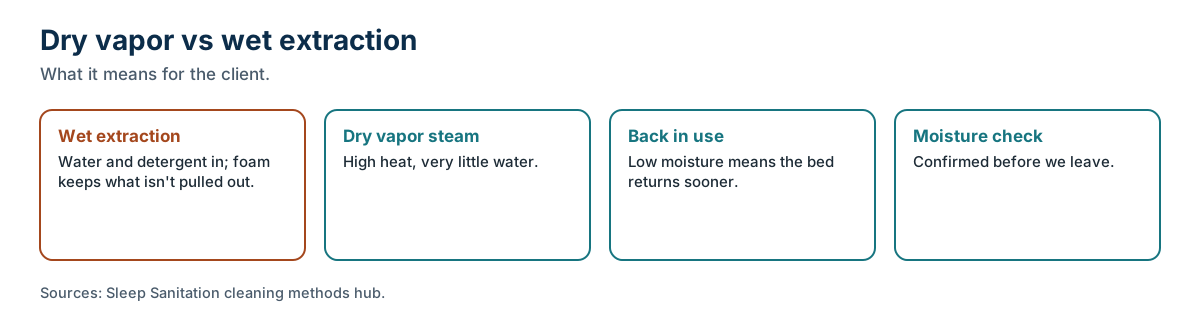
Wet extraction sprays water and detergent into the mattress and pulls some of it back out; foam holds the rest and dries slowly. Dry vapor steam delivers high heat with very little water. In a client's home, that means the bed is back in use sooner, less risk of a damp mattress, and no detergent residue left behind. A moisture check confirms it before we leave.
Key terms used on this page
- Low-moisture cleaning:
- A carpet-industry label for methods such as encapsulation, bonnet and dry-compound cleaning that use less water than extraction. It is not the same thing as dry-vapor steam, which is a heat-delivery method rather than a detergent method.
- Rinse-and-extract cleaning:
- Spraying water or solution into fabric and vacuuming it back out, the way carpets are cleaned. On a thick mattress, some of that water stays behind and can spread a urine stain wider.
Carpet-style wet extraction is the most common way mattresses get "deep cleaned." It's the wrong tool for a mattress a client needs back the same day.
General information for home care and hospice teams, not medical, legal or infection-control advice. Follow your agency's policies.
The difference
- Wet extraction sprays water and detergent in, then vacuums some back out. See rinse and extract. Foam keeps what the vacuum can't pull.
- Dry vapor steam delivers high heat with very little water. See what dry vapor steam is and how much moisture it uses.
Our full comparison is dry vapor steam vs carpet extraction.
Why it matters in a client's home
- The bed goes back into use sooner.
- Less chance of a damp core and the odor or mildew that follows. See can moisture lead to mildew or mold?
- Enzyme treatment on urine first, then heat, in the right order. See enzyme treatment and dry vapor together.
Sleep Sanitation's view
This section is our view. Agencies that group visits with us for route efficiency can ask about agency rates. We carry a certificate of insurance, available on request, and run background checks under our hiring policy, including a national sex offender registry check. Sleep Sanitation serves Omaha, Lincoln and surrounding towns. Every visit includes dry vapor steam, HEPA vacuuming, UV-C light treatment, the built-in bed mite sensor on our JIGOO UV-C mattress vacuum and a moisture check before we leave. Enzyme treatment is used on urine and other biological jobs, and ordinary accident treatment is included in the $249 first-mattress price. Severe or biohazard contamination carries a surcharge, and we tell you before any work starts. Call or text (402) 512-5658, or email info@sleepsanitation.com.
Changelog
- 14 October 2026: First published. Sources accessed on this date.
Sources
- Covers for Hospital Bed Mattresses: Learn How to Keep Them Safe · US Food and Drug Administration
Last reviewed October 14, 2026. Manufacturer specifications and care instructions change; check the current version for your exact model. This page is general information, not medical advice. How we source and check pages: editorial standards.