
Short answer
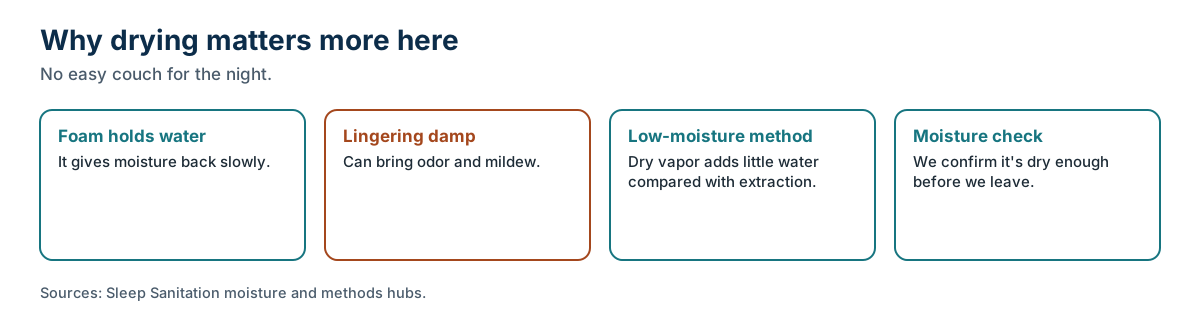
Someone who spends most of the day in bed can't easily wait out a damp mattress, and moisture left in foam can bring odor and mildew. That's why the cleaning method matters: low-moisture dry vapor steam adds very little water compared with wet extraction, and a moisture check before we leave confirms the surface is dry enough to use.
Key terms used on this page
- Low-moisture cleaning:
- A carpet-industry label for methods such as encapsulation, bonnet and dry-compound cleaning that use less water than extraction. It is not the same thing as dry-vapor steam, which is a heat-delivery method rather than a detergent method.
- Surface-dry vs dry through:
- A cover can feel dry while the layers under it are still damp. Hub 1 defines dry to the touch; after a urine accident, dry through is the standard that matters for odor and mold.
For most people, a damp mattress is an inconvenience: sleep on the couch for a night. For someone who spends most of the day in bed, there's no easy couch. That makes how much water goes into the mattress, and how fast it comes out, more important.
General information about mattress care, not medical advice. For health questions, talk with the person's doctor or care team.
Why moisture matters
Foam holds water and gives it back slowly. See why foam mattresses are slow to dry and can mattress moisture lead to mildew or mold?. Surface dry isn't always dry through.
Low-moisture cleaning
Low-moisture cleaning such as dry vapor steam adds little water. See how much moisture dry vapor steam uses and dry vapor steam vs carpet extraction.
The moisture check
Every visit ends with a moisture check. If any area reads damp, we keep airflow going and don't call it done until it's dry enough to use.
Sleep Sanitation's view
This section is our view. Sleep Sanitation serves Omaha, Lincoln and surrounding towns. Every visit includes dry vapor steam, HEPA vacuuming, UV-C light treatment, the built-in bed mite sensor on our JIGOO UV-C mattress vacuum and a moisture check before we leave. Enzyme treatment is used on urine and other biological jobs, and ordinary accident treatment is included in the $249 first-mattress price. Severe or biohazard contamination carries a surcharge, and we tell you before any work starts. Call or text (402) 512-5658, or email info@sleepsanitation.com.
Changelog
- 14 October 2026: First published. Sources accessed on this date.
Sources
- Covers for Hospital Bed Mattresses: Learn How to Keep Them Safe · US Food and Drug Administration
Last reviewed October 14, 2026. Manufacturer specifications and care instructions change; check the current version for your exact model. This page is general information, not medical advice. How we source and check pages: editorial standards.