
Short answer
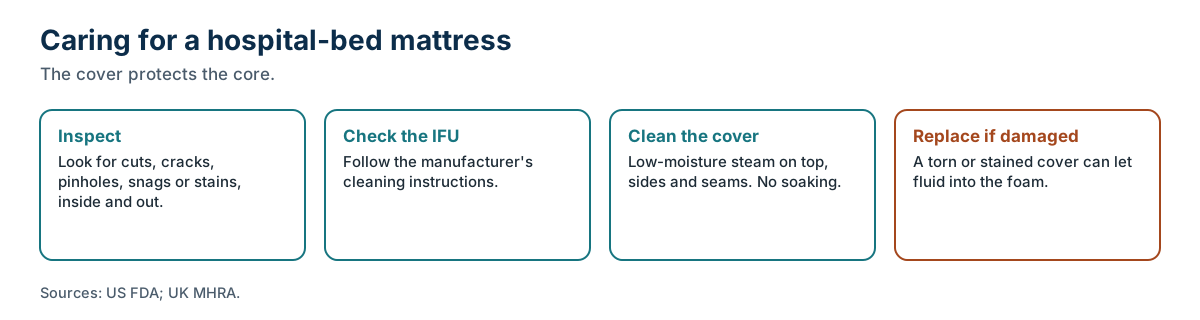
Most home hospital-bed mattresses are foam inside a vinyl or coated fluid-resistant cover. The cover is what protects the core, so inspect it for cuts, pinholes and stains, and follow the manufacturer's cleaning instructions. Sleep Sanitation steam-sanitizes vinyl and coated hospital-bed mattresses after checking those instructions. A torn or stained cover usually means the cover or mattress needs replacing.
Key terms used on this page
- Coated cover:
- A vinyl or polyurethane-coated fabric cover on a hospital-bed mattress, meant to keep fluids out of the foam.
- Fluid ingress:
- Body fluids getting through a worn or damaged mattress cover into the core. The FDA has warned about it.
- Instructions for use (IFU):
- The manufacturer's cleaning and care instructions for a medical mattress or cover.
A hospital bed at home usually comes with a foam mattress sealed in a vinyl or coated cover. That cover is the whole point: it's meant to keep body fluids out of the foam. Caring for this mattress is mostly about caring for the cover.
General information about mattress care, not medical advice. For health questions, talk with the person's doctor or care team.
Inspect the cover first
The FDA warns that hospital-bed mattress covers wear out and can let blood and body fluids get trapped inside, which it calls a risk of fluid ingress. It advises checking regularly for "cuts, tears, cracks, pinholes, snags, or stains," unzipping the cover to look at its inside and the foam, and replacing a cover with visible damage. The UK device regulator adds that damage can come from needles, sharp objects, handling and the wrong cleaning products.
Follow the manufacturer's instructions
Each maker publishes cleaning instructions, often called the IFU. The FDA says to clean undamaged covers "according to the manufacturer's guidelines." Some list approved products and dwell times; some limit heat. If the bed is rented, the supplier may set the rules.
How we handle hospital-bed mattresses
We steam-sanitize vinyl and coated hospital-bed mattresses. Before we start, we check the maker's label or instructions. If they rule out steam or heat, we tell you and don't use it. We treat the cover's top, sides and seams with low-moisture dry vapor, keep steam away from zippers and any electrical parts of the bed frame, HEPA vacuum, use UV-C light, and run a moisture check. If the cover is torn or stained inside, we'll say so: no surface cleaning fixes fluid in the core.
Sleep Sanitation's view
This section is our view. Sleep Sanitation serves Omaha, Lincoln and surrounding towns. Every visit includes dry vapor steam, HEPA vacuuming, UV-C light treatment, the built-in bed mite sensor on our JIGOO UV-C mattress vacuum and a moisture check before we leave. Enzyme treatment is used on urine and other biological jobs, and ordinary accident treatment is included in the $249 first-mattress price. Severe or biohazard contamination carries a surcharge, and we tell you before any work starts. Call or text (402) 512-5658, or email info@sleepsanitation.com.
What we don't know
- How many home hospital-bed mattress makers permit steam on their covers. Instructions vary by model and we check each one.
Changelog
- 14 October 2026: First published. Sources accessed on this date.
Sources
- Covers for Hospital Bed Mattresses: Learn How to Keep Them Safe · US Food and Drug Administration
- All types of bed mattresses: contamination through damaged mattresses or covers (MDA/2010/002) · GOV.UK, Medicines and Healthcare products Regulatory Agency
Last reviewed October 14, 2026. Manufacturer specifications and care instructions change; check the current version for your exact model. This page is general information, not medical advice. How we source and check pages: editorial standards.